Retreat
Port de la Selva Off-Season: A Quiet Three-Day Stay
Use two off-season nights for harbor time, one weather-dependent walk and a warm room, without mistaking tramuntana exposure for solitude.
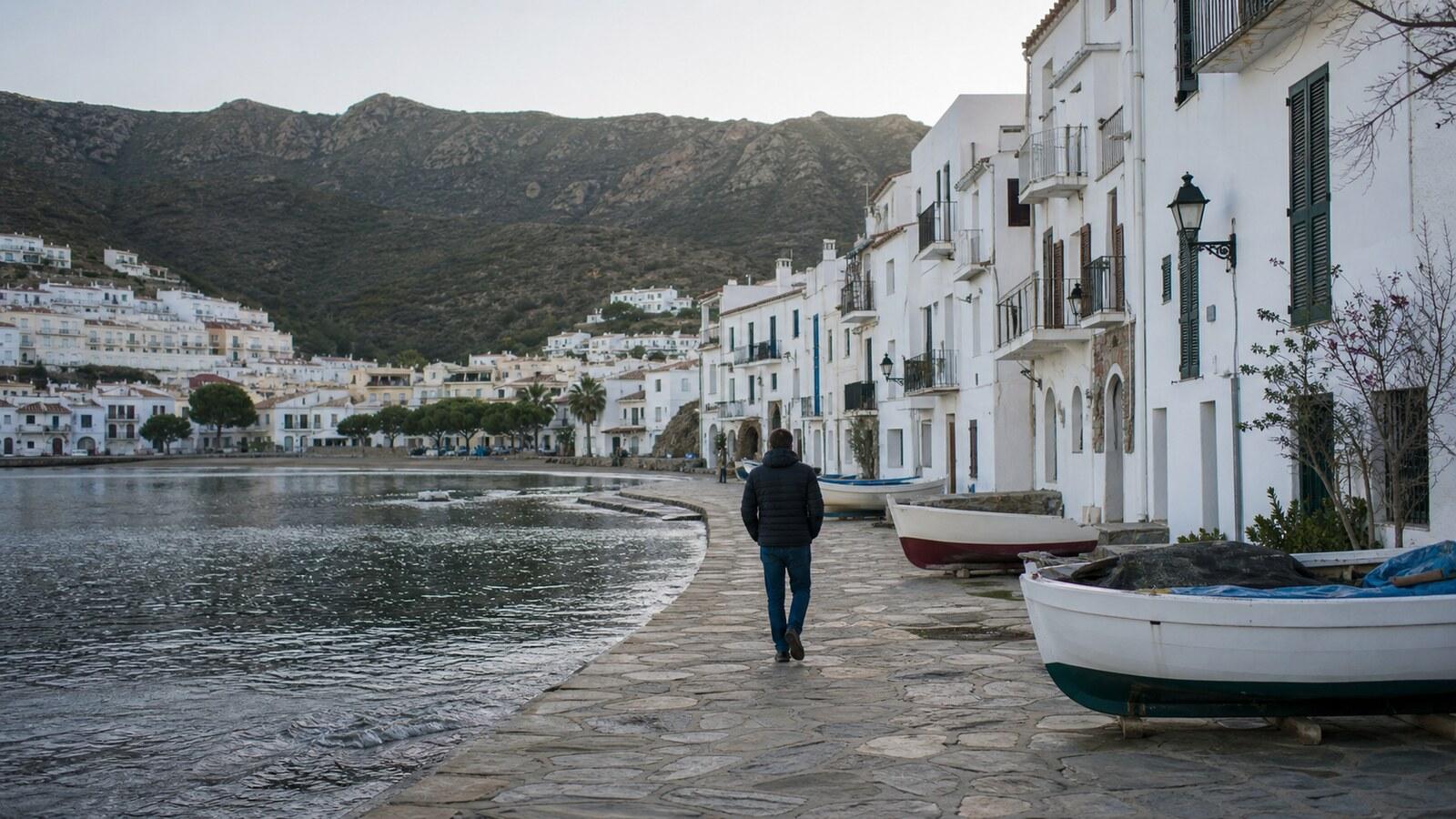
Outside summer, Port de la Selva can become as quiet as its photographs promise. The same season closes restaurants, reduces buses and brings tramuntana strong enough to make an exposed coast path unpleasant or unsafe. A restorative stay therefore begins with heating, food and weather, not a list of empty coves.
Use two nights. Arrive before dark on day one, reserve the best daylight for one signed walk on day two and keep day three for Sant Pere de Rodes only if road and wind conditions cooperate. The harbor is not filler between those activities; it is the center of the stay.
Book the room for winter reality
Ask whether reception is staffed at arrival, how the room is heated, where wet clothes dry and whether a sea-facing balcony seals properly in wind. Confirm breakfast and two possible dinners. A beautiful isolated property becomes inconvenient if the nearest open kitchen requires another drive after dark.
Compare off-season Port de la Selva stays by heating, reception, food, parking and cancellation before paying. Use roughly €180–420 per room for two nights as a broad planning range, then add meals and transport.
A car gives useful flexibility, but exposed roads demand caution. Without one, verify every bus on the actual date and arrange the final walk from the stop to accommodation. Do not assume a summer timetable survives into a winter weekend.
Pack for a functioning town in low season, not for isolation. Bring any essential medication, a small torch and enough snacks for an early closure, but shop locally for the ordinary parts of the stay. Ask the hotel which bakery, grocer and restaurant are genuinely operating that week. Opening hours displayed by a map service may describe August rather than February.
Arrive with time for a first harbor circuit before sunset. Follow the waterfront slowly, notice where fishing activity still shapes the port and identify a sheltered café or indoor refuge for the following day. This modest orientation makes a weather change feel like a different version of the trip rather than a failure.
Give Saturday one outdoor window
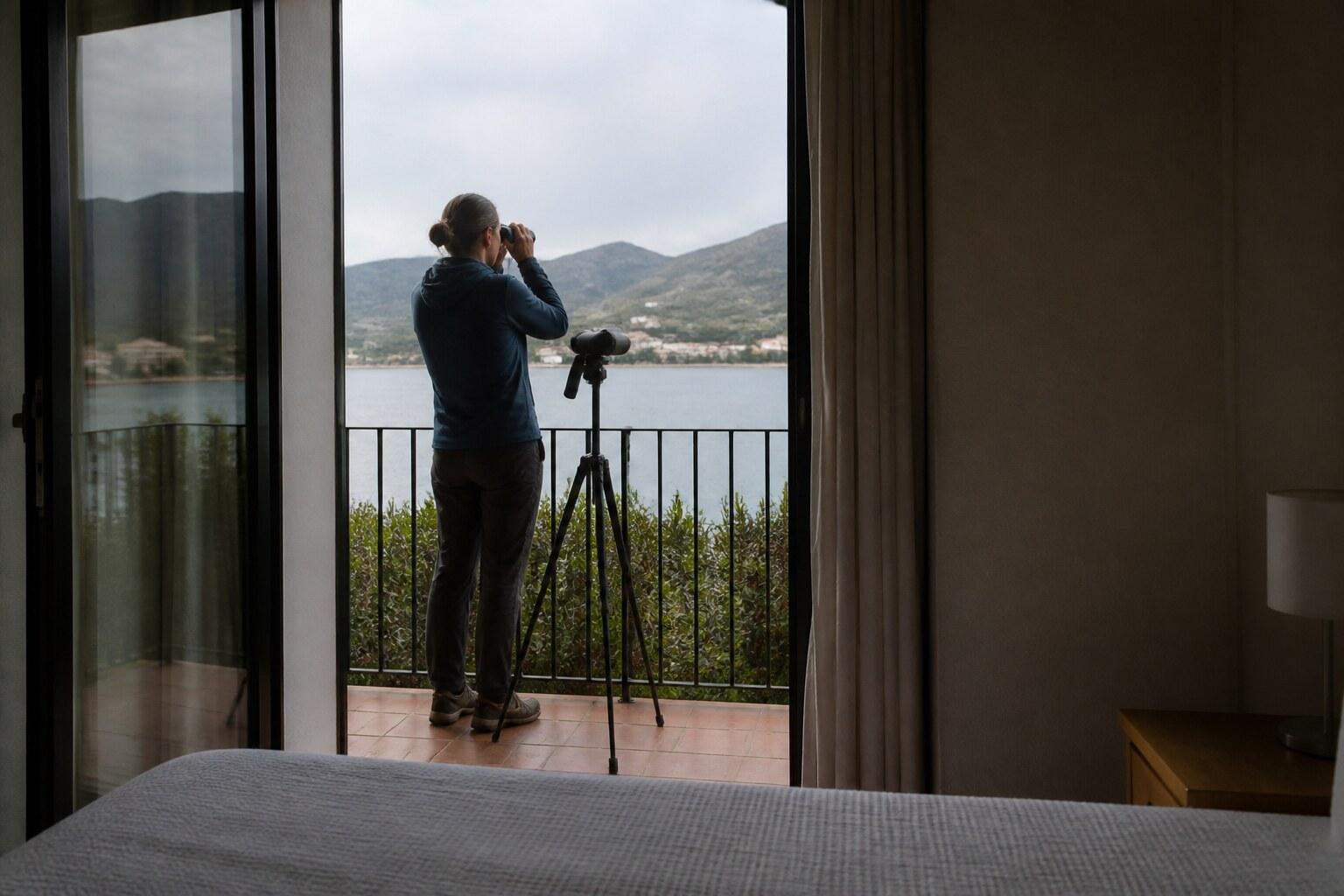
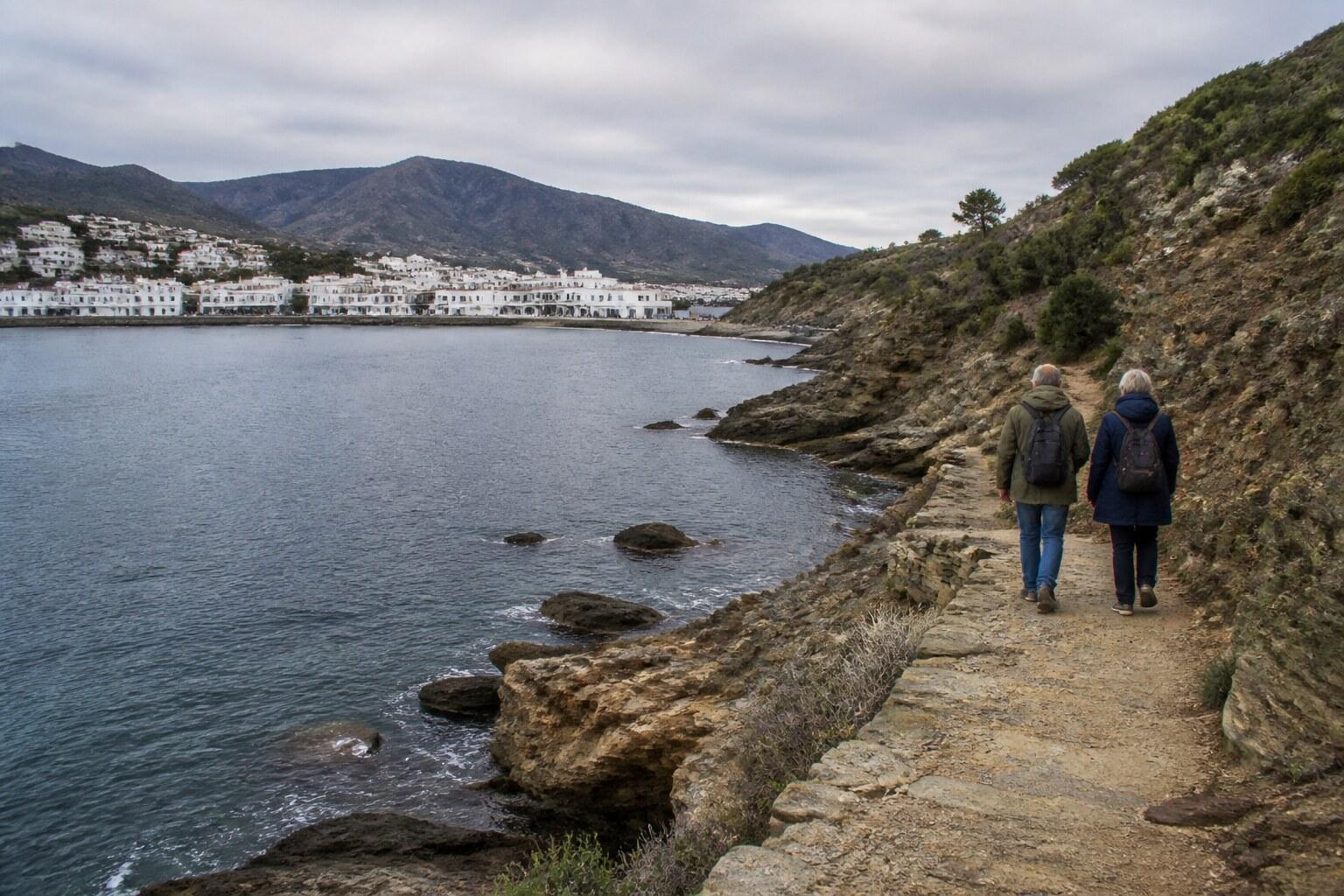
Read the official forecast and the Cap de Creus Natural Park site before breakfast. Choose a signed five- to twelve-kilometer route only when wind, fire controls, visibility and daylight permit. Download the map, tell the property where you are going and carry water, food, layers and a charged phone for 112.
Tramuntana is a cancellation trigger for the exposed element, not an atmospheric challenge to overcome. In strong wind, walk sheltered village streets, watch the harbor from a safe position and return to reading or a long lunch. Rain can support a shorter route if surfaces and waves remain safe; an official closure cannot.
Keep one paper map and book, then place the phone on airplane mode between deliberate checks. “Offline” should remove distraction, not weather information or emergency contact.
Make quiet compatible with the village
Port de la Selva is not an empty retreat set aside for visitors. Fishing, deliveries, school traffic and building work continue when holiday apartments are dark. Choose a room away from obvious servicing areas if silence matters, then accept the sounds of a working harbor rather than expecting complete stillness.
Use the long middle hours for a book, a notebook or an unhurried meal. A silent stay does not need a wellness schedule to justify itself. If you want massage, yoga or another service, confirm that a named practitioner is actually available off season; do not choose the accommodation on an amenity described only as “on request.”
Dinner is the one reservation worth fixing on both nights. Ask what time the kitchen closes and whether the menu can handle dietary needs. When only one restaurant is open, a second evening of simple food in the room may feel more relaxed than driving to another town in wind and darkness—provided the property permits it and you have bought the food earlier.
Treat Sant Pere de Rodes as conditional
On the final morning, drive to Sant Pere de Rodes only after checking the monument’s opening and the mountain road. The monastery deserves at least ninety minutes. Do not add Verdera Castle in high wind or poor visibility, and do not force the visit when a late departure would put the return on dark exposed roads.
If conditions fail, remain in Port de la Selva for breakfast and one harbor circuit. Buy trail food and drinking water the previous afternoon because Sunday or off-season shop hours may be short.
Leave the final hour empty. Sit behind the harbor wall when conditions are calm, return to the same café, or take one last level walk. The coast often becomes most legible after the itinerary has stopped asking it to perform.
The trip succeeds when it removes decisions without removing safeguards. A confirmed warm room, open dinner and one good daylight walk provide enough structure; everything else can yield to the coast. Reconfirm park notices, wind, transport, meals, heating and monastery access before arrival.
Related guides
- Vall de Bianya Phone-Free Farm Stay: A Two-Night Plan
A two-night Vall de Bianya retreat with one Romanesque walk, long meals and a phone-free agreement that preserves emergency contact.
- A Digital Detox in Catalonia That Does Not Become Another Project
Plan a quiet Catalan stay around realistic boundaries, one safe line of contact and days simple enough to leave unscheduled.
- Escaladei and Montsant: A Quiet Weekend Without a Wine Schedule
A two-night Montsant stay built around Escaladei charterhouse, one modest walk and long unclaimed hours instead of a chain of tastings.
Are you in the know?
Receive new articles, local updates, and occasional offers from selected partners. We never share your email address. Unsubscribe at any time.
By subscribing you agree to our privacy policy.